

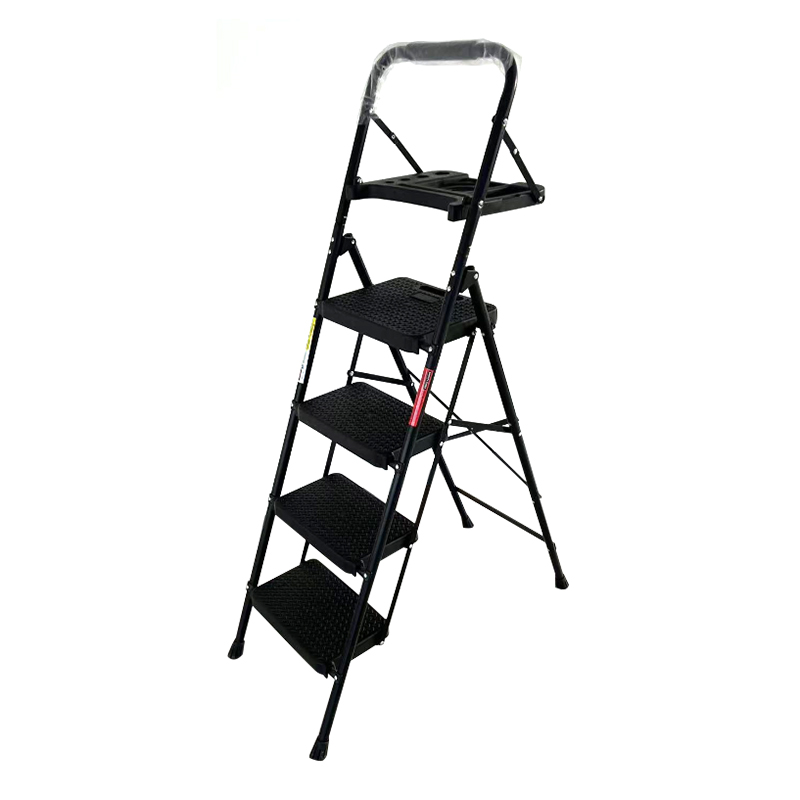
When you live in a small home or apartment, every item you own has to earn its place, and that’s especially true for bulky tools like ladders. A good folding ladder lets you change light bulbs, reach high shelves, hang curtains, paint walls, or access loft storage—then disappear into a closet or behind a door when you’re done.
Below is an in‑depth guide to the best types of household folding ladders for small spaces, how to choose one, and what to look for in terms of safety, storage, and everyday usability.
---
1. Key Things to Consider Before You Buy
Before looking at specific designs, think about how and where you’ll use the ladder. This will guide your choice far more than any single feature.
1.1 Your Ceiling Height and Typical Tasks
Measure the tallest place you need to reach:
- Standard 8 ft (2.4 m) ceilings
A 3–4 step folding step ladder or a compact 5–6 ft step ladder is usually enough for changing bulbs, cleaning, and reaching cabinets.
- 9–10 ft (2.7–3 m) ceilings
A 5–6 ft step ladder or a telescoping ladder that can reach 10–12 ft is more practical, especially for ceiling fans, smoke detectors, and tall shelves.
- Loft areas or roof access
A taller telescoping ladder or an articulated multi-position ladder that can reach 12–15 ft (or more) may be useful.
Try to buy the shortest ladder that safely does all you need; shorter means lighter, easier to store, and more convenient in a small space.
1.2 Storage Space in Your Home
Ask yourself where the ladder will live when not in use:
- Behind a door or wardrobe
Look for a slim folding step ladder that folds almost flat—ideally under 2–3 inches thick.
- Inside a closet
Pay attention to both height and thickness when folded. A lot of small homes have tall but shallow closets.
- Under a bed or sofa
Only ultra-slim step ladders or very compact telescoping ladders will fit here.
Measure your intended storage space and compare it with the folded dimensions of any ladder you consider.
1.3 Weight and Portability
In a small home, you’ll often carry the ladder from room to room and frequently move it out of the way. For most people:
- Under 10–12 lb (4.5–5.5 kg) is ideal for quick household tasks.
- 12–20 lb (5.5–9 kg) is typical for sturdier, taller models or multi-position ladders.
If you have limited strength or mobility, prioritize lighter weight even if it means a bit less reach.
1.4 Safety and Certification
Never compromise on safety to save a few inches of space. Look for:
- A clear weight rating (for example, 225 lb / 102 kg or 250–300 lb / 113–136 kg).
- Anti-slip feet and stable bases.
- Safety locks or latches on telescoping and articulated ladders.
- Wide, non-slip steps, especially for step ladders used for long tasks like painting.
- A frame made from quality aluminum or steel with solid welds and connections.
---
2. Best Types of Household Folding Ladders for Small Spaces
Different ladder types suit different homes. Below are the main categories worth considering, with their pros and cons.
---
2.1 Slim Folding Step Ladders
These are the most space‑efficient and user‑friendly ladders for everyday apartment use.
What They Are
A slim folding step ladder typically has:
- 2 to 5 broad steps.
- A top platform or step to stand on or rest items.
- A thin profile when folded—sometimes less than 2 inches thick.
- A simple hinge that lets it open and close quickly.
Why They’re Ideal for Small Spaces
- Minimal storage footprint: Slide easily between a wall and fridge, behind a door, or next to a wardrobe.
- Lightweight: Often around 5–10 lb, so easy to carry even for older users.
- Quick to deploy: No complex adjustments or locks; you just unfold and step on.
Best Uses
- Reaching kitchen cabinets and pantry shelves.
- Changing light bulbs and smoke detector batteries.
- Hanging curtains or pictures.
- Cleaning ceiling corners and air vents.
What to Look For
- Step width and depth: Wide, deep steps (at least 3–4 inches deep) are safer and more comfortable.
- Top rail or handle: A tall handle at the top gives you something to hold for balance.
- Non-slip treads: Rubber or textured steps improve safety with socks or slippers.
- Stable feet: Rubber feet prevent sliding and protect floors.
- Locking hinge: A simple locking mechanism keeps the ladder from folding while you’re on it.
---
2.2 Compact Aluminum Step Ladders (5–6 ft)
These are traditional A‑frame step ladders, but in lightweight materials and compact designs.
What They Are
- 4–6 steps on each side with a top cap.
- Step heights that allow you to comfortably reach up to 9–10 ft.
- Folding A‑frame design: they collapse flat but are taller than slim step stools.
Why They Work in Small Homes
- Versatile height: One ladder can handle almost all indoor tasks in a standard apartment.
- Reasonable storage: While taller than a slim ladder, they still fit in most closets or behind tall furniture.
- Lightweight aluminum: Easy to move; steel versions are heavier but more stable.
Best Uses
- Painting walls and ceilings.
- Cleaning ceiling fans.
- Accessing high shelves or storage lofts.
- Occasional outdoor use (e.g., windows, porch lights) if allowed by the design.
What to Look For
- Type I or higher weight rating if you want extra margin of safety.
- Wide flared base for stability, especially if you’ll work sideways (painting walls).
- Tool tray or top platform to hold brushes, bulbs, or small tools.
- Smooth folding mechanism that doesn’t pinch your fingers.
---
2.3 Telescoping Extension Ladders
These are designed to extend vertically and then collapse into a surprisingly small bundle—perfect for very tight storage spaces where height is not the biggest issue.
What They Are
- Extension ladders with sections that slide into each other.
- Retract to around 2–3 ft tall, depending on the model.
- Extend to ranges like 8 ft, 10 ft, 12 ft, or more.
Why They’re Great for Tiny Apartments
- Ultra‑compact storage: When collapsed, they can fit under a bed, in a small closet, or even in a storage box.
- Long reach: Some can reach over 12 ft or even higher, useful for lofts or mezzanines.
- Portable: Despite their length when extended, they’re easy to carry in small cars or up staircases.
Best Uses
- Accessing lofts, attic hatches, or high storage platforms.
- Reaching high indoor windows or very tall ceilings.
- Occasional outdoor work where you need extra reach.
What to Look For
- Reliable locking system: Each rung should lock clearly into place with visual or audible cues.
- Safe retraction mechanism: Some designs retract slowly to avoid finger pinching.
- Non-slip end caps: Especially important if leaning against smooth walls.
- Material quality: High‑grade aluminum with sturdy joints; avoid flimsy bargain versions.
Limitations
- Usually not as comfortable for long periods of standing as a step ladder.
- Less stable sideways than an A‑frame ladder; intended for more vertical use.
- Some models can feel slightly flexible at full extension; higher-quality ones minimize this.
---
2.4 Folding Multi-Position (Articulated) Ladders
These are the most versatile but also the bulkiest styles in this list. In a small home, they make sense if you need one ladder to do many different jobs and have just enough room to store it.
What They Are
- Articulated ladders with multiple hinges.
- Can work as:
- A short step ladder.
- A tall extension ladder.
- A scaffold base (with a plank).
- A stairway ladder in some designs.
Why They Can Work in Small Spaces
- One ladder, many tasks: You don’t need separate step and extension ladders.
- Foldable: They fold into a compact, though often heavy, package that can lean in a closet or corner.
- Adjustable height: You can fine‑tune the length for specific tasks.
Best Uses
- Small homes where you:
- Occasionally need to reach very high spots.
- Have stairwells or split-level areas.
- Do DIY projects, painting, or repair work.
What to Look For
- Secure locking hinges with clear positions and safety locks.
- Sturdy construction: These ladders bear complex forces; strength is critical.
- Weight: Some models are very heavy; consider your ability to move them.
- Base width and stability: A wide base makes them safer in multi-position use.
Limitations
- Usually heavier and bulkier than simple step ladders.
- May be overkill if you just need to reach kitchen cabinets and light fixtures.
---
3. Materials: Aluminum, Steel, and Fiberglass
The material affects weight, durability, and safe use around electricity.
3.1 Aluminum
- Pros
- Light weight, easy to carry.
- Resistant to rust and corrosion.
- Ideal for most indoor household use.
- Cons
- Slightly more flex than steel at the same thickness.
- Conducts electricity (never use near exposed wiring).
Best for: Most apartment dwellers and small homeowners who want easy handling and storage.
3.2 Steel
- Pros
- Very stable and sturdy.
- Often cheaper than other materials.
- Cons
- Heavier; not ideal if you need to move it often.
- Can rust if finishes wear off, especially in damp environments.
Best for: Users who prioritize maximum stability and don’t mind extra weight.
3.3 Fiberglass
- Pros
- Non-conductive (safer near electricity).
- Strong and durable.
- Cons
- Often heavier than aluminum.
- More expensive.
Best for: People doing frequent electrical work or in environments where electrical safety is a priority.
---
4. Safety Features You Should Not Skip
A compact ladder is only “best” if it’s also safe. Look for these features:
4.1 Non-Slip Feet and Steps
- Rubber or synthetic caps on the legs keep the ladder from sliding on tile, wood, or laminate.
- Textured or rubberized steps reduce the risk of slipping, especially if you’re in socks.
4.2 Stable Base and Flared Legs
- A wider footprint means better side‑to‑side stability.
- For A‑frame and step ladders, slightly flared legs are a strong plus.
4.3 Locking Mechanisms
- Step ladders should have a locking spreader bar that clicks into place when fully opened.
- Telescoping ladders should have positive locks for each rung and a secondary safety feature.
- Multi-position ladders need robust hinge locks that are easy to verify visually.
4.4 Weight Rating and Labels
- The ladder should clearly state its maximum load.
- Choose a ladder with a rating that comfortably exceeds your body weight plus tools and materials.
---
5. Practical Tips for Choosing the Right Ladder for a Small Home
5.1 Match the Ladder to Your Routine
- If you mostly:
- Get items off high shelves.
- Change bulbs.
- Hang seasonal decorations.
Then a 3–5 step slim folding ladder is likely all you need.
- If you:
- Paint or renovate.
- Regularly clean ceiling fans or tall windows.
A 5–6 ft step ladder gives you better reach and stability.
- If you:
- Have a loft bed or storage platform.
- Need occasional high reach without space for a long ladder.
A telescoping ladder is worth considering.
5.2 Check How It Feels, Not Just Specs
If possible:
- Stand on the steps and gently rock side to side.
- Check that the steps feel solid and don’t flex excessively.
- See whether you can comfortably carry it with one hand.
- Practice folding and unfolding it to ensure it’s intuitive and doesn’t pinch.
5.3 Plan a Dedicated Storage Spot
Before buying:
- Decide exactly where the ladder will live.
- Measure that spot and compare with the ladder’s folded dimensions.
- If you have no floor space, consider wall-mount hooks in a closet or utility room.
---
6. Using and Maintaining a Folding Ladder Safely in Small Spaces
6.1 Basic Use Rules
- Always fully open and lock any mechanism before climbing.
- Place the ladder on a flat, stable surface; avoid wobbly rugs.
- Face the ladder and hold with at least one hand when climbing.
- Don’t overreach; move the ladder instead of leaning far to one side.
- Never stand on the very top cap unless it’s rated as a standing platform.
6.2 Special Caution in Tight Areas
Small rooms and cramped hallways add specific risks:
- Check overhead clearance for ceiling fixtures or shelves.
- Avoid placing the ladder in high-traffic doorways unless you can close the door or warn others.
- Make sure pets and children aren’t underfoot while you’re on the ladder.
6.3 Simple Maintenance
- Inspect hinges, locks, and steps every few months.
- Clean off paint, oil, or grease that could make steps slippery.
- Tighten any loose screws or bolts.
- Replace damaged feet or caps to prevent slipping and floor damage.
---
7. Summary: Matching Ladder Type to Small-Space Needs
Here’s a quick guide to choosing the best household folding ladder for a small home or apartment:
1. For everyday indoor tasks and minimal storage:
Choose a slim folding step ladder (2–5 steps). It’s light, easy to carry, and stores almost anywhere.
2. For higher reach in standard or tall ceilings:
A compact 5–6 ft aluminum step ladder balances reach, stability, and reasonable storage needs.
3. For maximum reach with ultra-compact storage:
A telescoping extension ladder collapses very small but can reach high lofts and tall ceilings.
4. For versatile DIY and multi-use in a small home:
A folding multi-position ladder can replace several ladders if you can handle the extra weight and slightly larger storage footprint.
In a small space, the “best” ladder is not the tallest or most expensive but the one you can safely use for 90% of your real tasks and easily tuck away afterward. Measure your rooms, think honestly about how you’ll use it, check storage options, and choose the simplest, most stable design that meets your needs.
البريد الإلكتروني: Ceo@cnladder.com
موقع الويب: www.cnladder.com
العنوان: منطقة لوتان جانجتو الصناعية، مقاطعة وويي، مدينة جينهوا، مقاطعة تشجيانغ

يستخدم هذا الموقع ملفات تعريف الارتباط لضمان حصولك على أفضل تجربة على موقعنا.
 English
 Español
 Portugues
 Pусский
 Français
 Deutsch
 日本語
日本語 Italiano
 Nederlands



 واتس اب
 هاتف
هاتف
تعليق
(0)